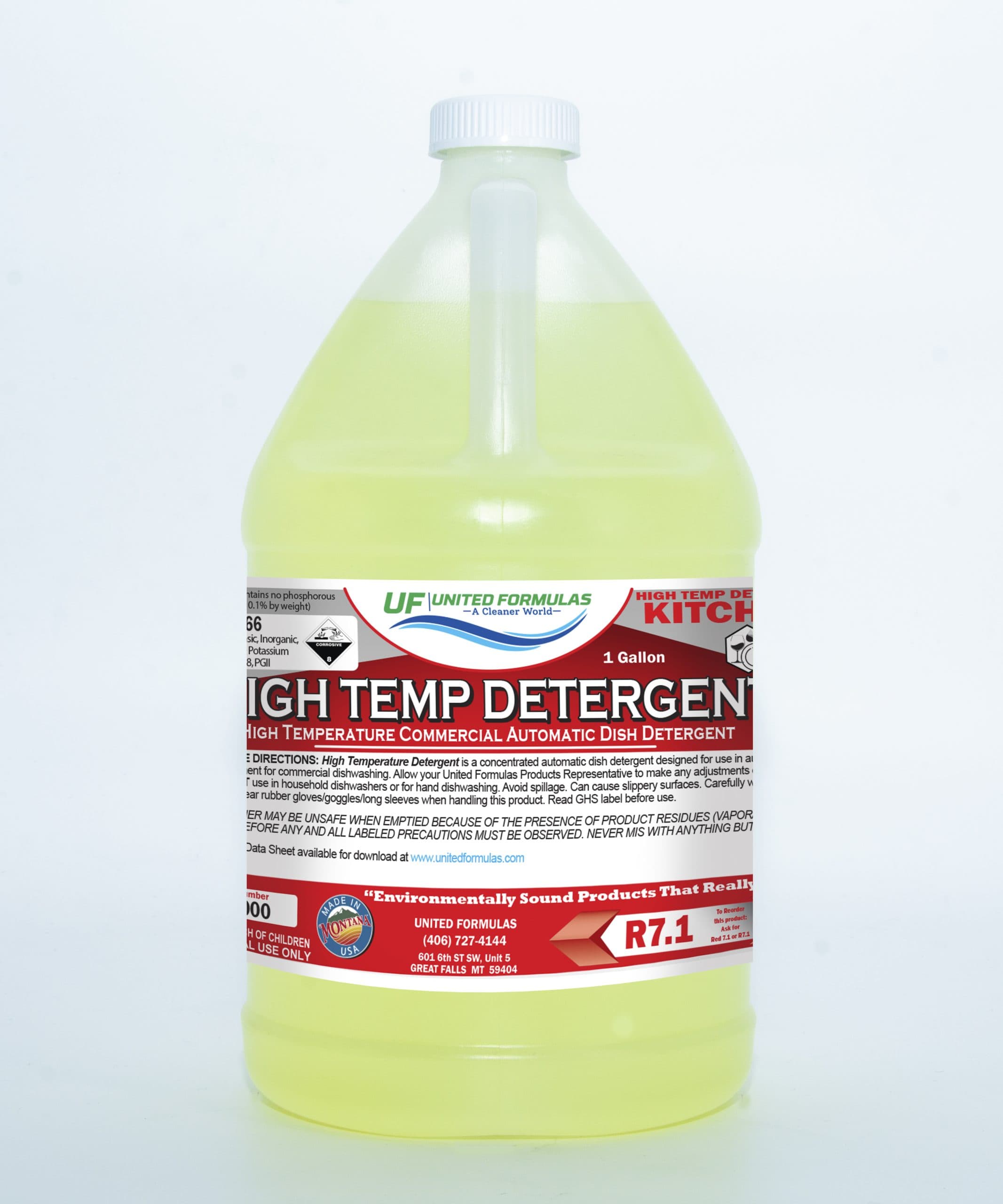
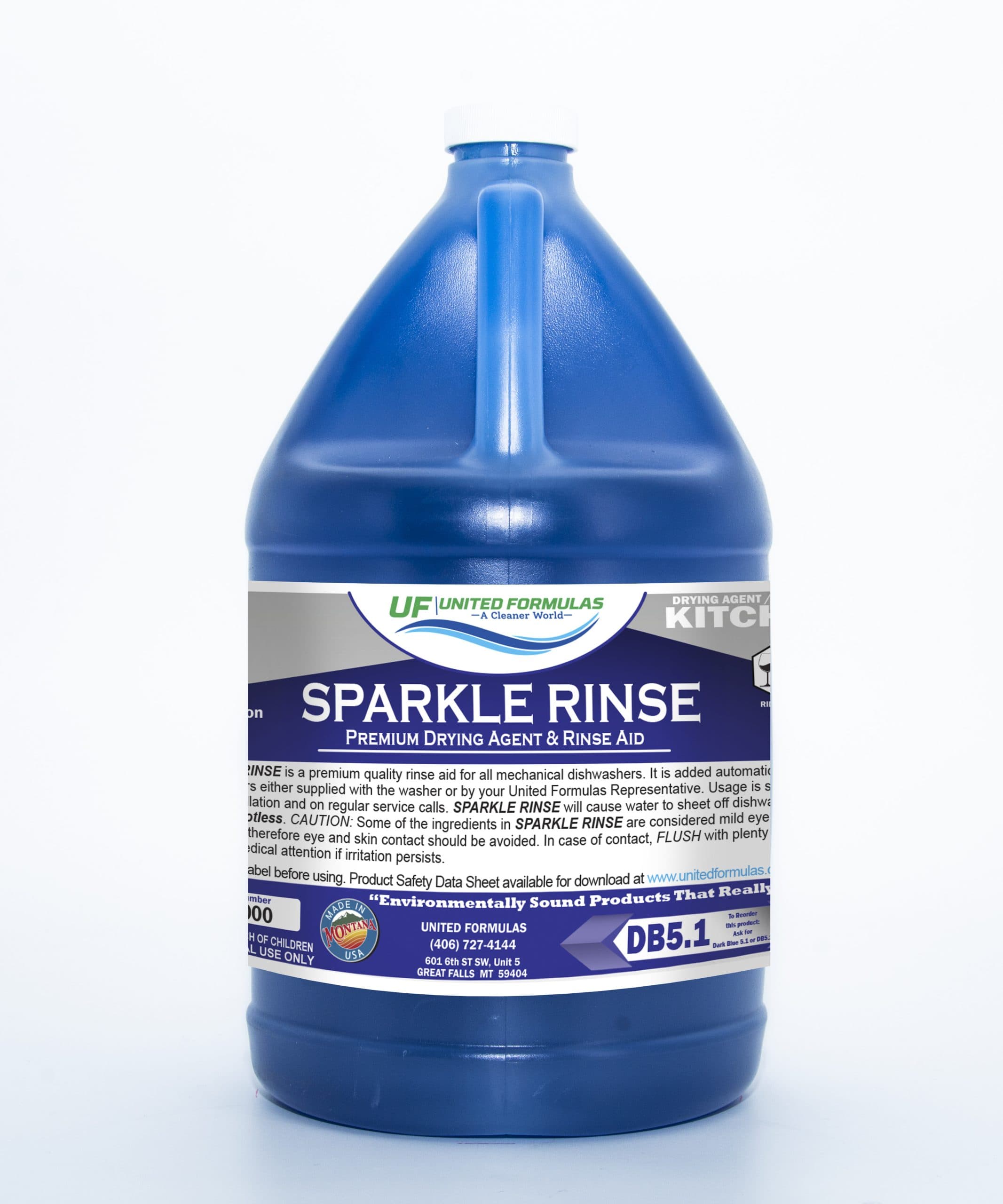
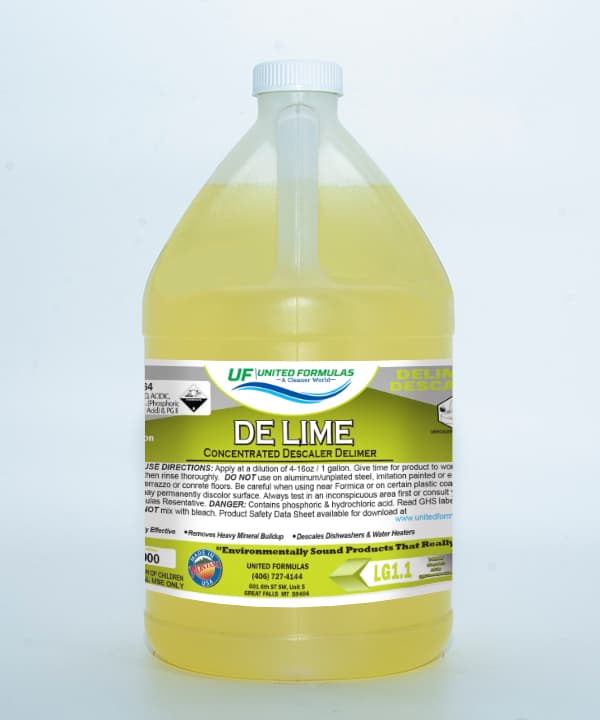
Your glasses come out of the machine looking cloudy, so someone runs the rack through a second time. That second run burns two more gallons of hot water, pulls heavy electrical power on the booster heater, dumps another shot of detergent, and eats up four minutes of labor. The worst part is that it does not solve the problem. The white film on your cups and silverware is not food grease. It is dissolved rock from the Missouri River baking straight onto hot glass.
Fix the water first. Find out the exact mineral hardness at your building tap, then set your chemical pump to match that number instead of trusting the dilution printed on the jug label.
The spec your machine was built to, and the water you actually have
Hobart, one of the premier manufacturers of commercial kitchen dish machines, recommends a water hardness of 3.5 grains per gallon (gpg) or less. When water climbs past 7 grains per gallon, equipment builders classify it as hard water that requires chemical water conditioning or softening.
The City of Great Falls Water Treatment Plant on River Drive North draws surface water directly from the Missouri River, just below where the Sun River enters. The city plant filters sediment, removes river organics, and disinfects the water, but it does not soften it. The city publishes an annual hardness range between 127 and 167 milligrams per liter (mg/L). When you divide that by the industry standard conversion factor of 17.1, Great Falls tap water runs between 7.4 and 9.8 grains per gallon. It averages around 9.4 grains per gallon, or roughly 160 ppm.
This means commercial dish machines running on city water in Great Falls operate at more than double, and sometimes nearly triple, the maximum hardness Hobart recommends.
This is not a sales claim from a chemical vendor. You can verify it yourself in five minutes by comparing the manufacturer specification tag on your dish machine with the annual drinking water quality report published by the City of Great Falls.
Local river geology also creates a seasonal swing that catches kitchen managers off guard. During late spring runoff in May and June, fresh snowmelt from the Big Belt and Little Belt mountain ranges rushes down the Missouri, temporarily diluting the river down near 7.4 grains per gallon. By January and February, river flow drops under winter ice, groundwater recharge increases, and mineral hardness climbs toward 9.8 grains per gallon. If your chemical rep only checks your dispenser once in the summer, your machine will be starved of cleaning power all winter long.
What hardness actually does inside a commercial dish pit
When water carries 9.4 grains of dissolved limestone into a high-temperature kitchen machine, three distinct problems occur.
1. It destroys detergent before cleaning begins
Calcium and magnesium carry positive electrical charges. The cleaning agents in commercial warewash detergents, called anionic surfactants, carry negative electrical charges.
When your dispenser pumps detergent into hard wash water, opposite charges attract immediately. The calcium bonds to the surfactant molecules and turns them into an insoluble curd. This is the exact same chemical reaction that causes soap scum on bathroom tile. Every grain of hardness in your water binds up and wastes active cleaning chemistry you already paid for. Your dirty dishes only get whatever leftover chemistry survives the reaction.
2. It bakes scale onto heating coils and spray jets
Commercial dish machines wash dishes between 150°F and 160°F, and high-temp booster heaters push final rinse water between 180°F and 190°F to sanitize without chemicals.
At temperatures above 140°F, dissolved calcium bicarbonate breaks down. It turns into solid calcium carbonate, which falls out of the water and crystallizes onto hot metal. It coats your booster element, wash tank coils, and internal water pipes with a chalky white crust.
Scale acts as a thermal insulator. Just a 1/16-inch crust of scale on a heating coil forces the element to run significantly hotter to warm the water, driving up kitchen utility bills by 11% to 15% and burning out elements years early. Flakes of hard scale also break loose from tank walls, travel through the wash pump, and lodge inside the small orifices of the spray arms. That drops wash pressure and stops the rotating arms from spinning freely.
3. It turns clean glasses into cloudy, etched glasses
That chalky white haze on restaurant bar glasses is mineral scale, not trapped food starch.
If you leave hard water on hot glassware, the problem gets worse over time. High heat and alkaline wash water cause the minerals to react directly with the silica in the glass. This creates permanent microscopic surface damage called chemical etching. Once glassware gets etched, acid delimers cannot fix it. The only solution is throwing the glasses in the trash and buying new inventory.
The label dilution assumes water you do not have
Chemical companies print dilution ratios like 1:64 or 1:128 on their jugs. Those numbers were calculated in out-of-state testing laboratories using pure, softened water with zero mineral interference.
When you run that same detergent in Great Falls on 9.4 grain water, you must feed more chemical concentrate into the tank just to satisfy the mineral demand and still clean grease off plates. A 5-gallon pail that claims it will wash 3,000 racks may only wash 1,800 to 2,000 racks once properly dosed for local water.
Your true cost per working gallon rises quietly each month, even when the price on the supplier invoice never changes. That is how kitchens blow their supply budgets without understanding why chemical consumption spiked.
The answer is rarely switching to a more expensive chemical jug. The real solution is knowing your water hardness number and calibrating dispenser feed rates directly to it.
Practical shop-floor steps: three checks in ten minutes
- Test at your dish machine, not from the city website. Water sitting in older commercial plumbing lines along 10th Avenue South, downtown Central Avenue, or the Northwest Bypass can pick up additional scale before reaching the wash bay. Test strips take two minutes and provide an immediate reading.
- Use the quick vinegar test. If you want to confirm whether white buildup inside your tank is food residue or hard water scale, scrape a small flake off the wall and place a drop of vinegar or acid delimer on it. If it fizzes immediately, it is calcium carbonate from the Missouri River.
- Write the measured hardness number directly on the machine. Write the measured grains per gallon and the date on a strip of tape on the front of the dish machine with a permanent marker. That way every line cook, kitchen manager, and service tech knows the baseline water condition.
- Test active wash tank concentration, not dispenser dial settings. A click-stop dial or speed knob on an injection pump does not tell you what concentration reaches the spray nozzles. Dip a chemical test strip directly into the wash tank during an active cycle to verify active ppm.
Steal This: three questions for your chemical sales rep
The next time your chemical sales representative visits your kitchen, ask them these three straightforward questions:
"What is the water hardness in grains right here at our dish machine tap, what did you set the dispenser pump to for that specific hardness, and what does our actual dilution work out to per working gallon?"
If they cannot give you the hardness reading in grains, nobody ever tested the water feeding your machine.
If they cannot tell you the real cost per working gallon, nobody has calculated what your kitchen is actually spending to clean each rack.
One thing you do not need to worry about
Your quat sanitizer works fine on Great Falls municipal tap water.
Quaternary ammonium sanitizers used in third-sink bar rinses and red kitchen wipe buckets are sensitive to extreme water hardness. However, EPA regulations and manufacturer specifications rate standard quat formulas to remain stable in water up to 500 mg/L (ppm) hardness. Great Falls municipal water peaks around 167 mg/L. Anyone claiming that city tap water is deactivating your red-bucket sanitizer is trying to sell you extra chemical additives you do not need. Keep your attention on detergent dosing, scale control, and booster temperatures.
Private well water is a completely different story. Outside city limits, in places like Fort Benton, Choteau, Conrad, Ulm, or rural roadhouses on private well systems, hardness frequently runs between 15 and 25+ grains per gallon. In those locations, unconditioned water will destroy commercial dish equipment and break chemical sanitizers quickly.
Common Mistakes
- Running cloudy glassware through the machine a second time instead of fixing water hardness.
- Relying on the dilution ratio printed on the jug label without adjusting for local minerals.
- Checking the dispenser knob position and assuming it matches the chemical strength in the tank.
- Acid deliming the machine once a month while ignoring the daily wash water that created the scale.
- Relying on the city's annual average hardness instead of testing your own tap with a strip.
- Blaming the dish machine or buying a replacement booster heater when untreated water caused the failure.
- Hand-drying clean glassware with bar towels to wipe off mineral haze, which spreads bacteria and violates sanitation codes.
The Ten-Minute Checklist
Complete these practical diagnostic checks before your next chemical order arrives:
- Test water hardness at the tap feeding the dish machine in both grains per gallon and mg/L.
- Write the measured hardness number and date on the side of the machine with permanent marker.
- Inspect the wash tank heating elements and booster heater for rough white scale crust.
- Remove wash arms, clear clogged spray jets of calcium pebbles, and confirm arms spin freely.
- Verify wash tank water reaches at least 150°F and final rinse booster reaches 180°F during service.
- Dip a chemical titration strip directly into the wash tank to measure active detergent strength.
- Ask your chemical supplier the three questions detailed above.
- Calculate your true cost per working gallon based on real dispenser pump settings.
If you would rather have somebody come test it
We will test the water at your dish machine, measure your wash and rinse concentrations with calibrated test strips, and record the data for your records. It takes about ten minutes on site. There is no charge, no sales pressure, and you keep the test results whether you buy products from United Formulas or not.
Our blending plant and lab are located right here in Great Falls on 7th Avenue North. We make the chemistry ourselves in Montana and calibrate our formulas to local Missouri River water conditions.
United Formulas: (406) 727-4144
Direct Delivery and Technical Service Across Central Montana