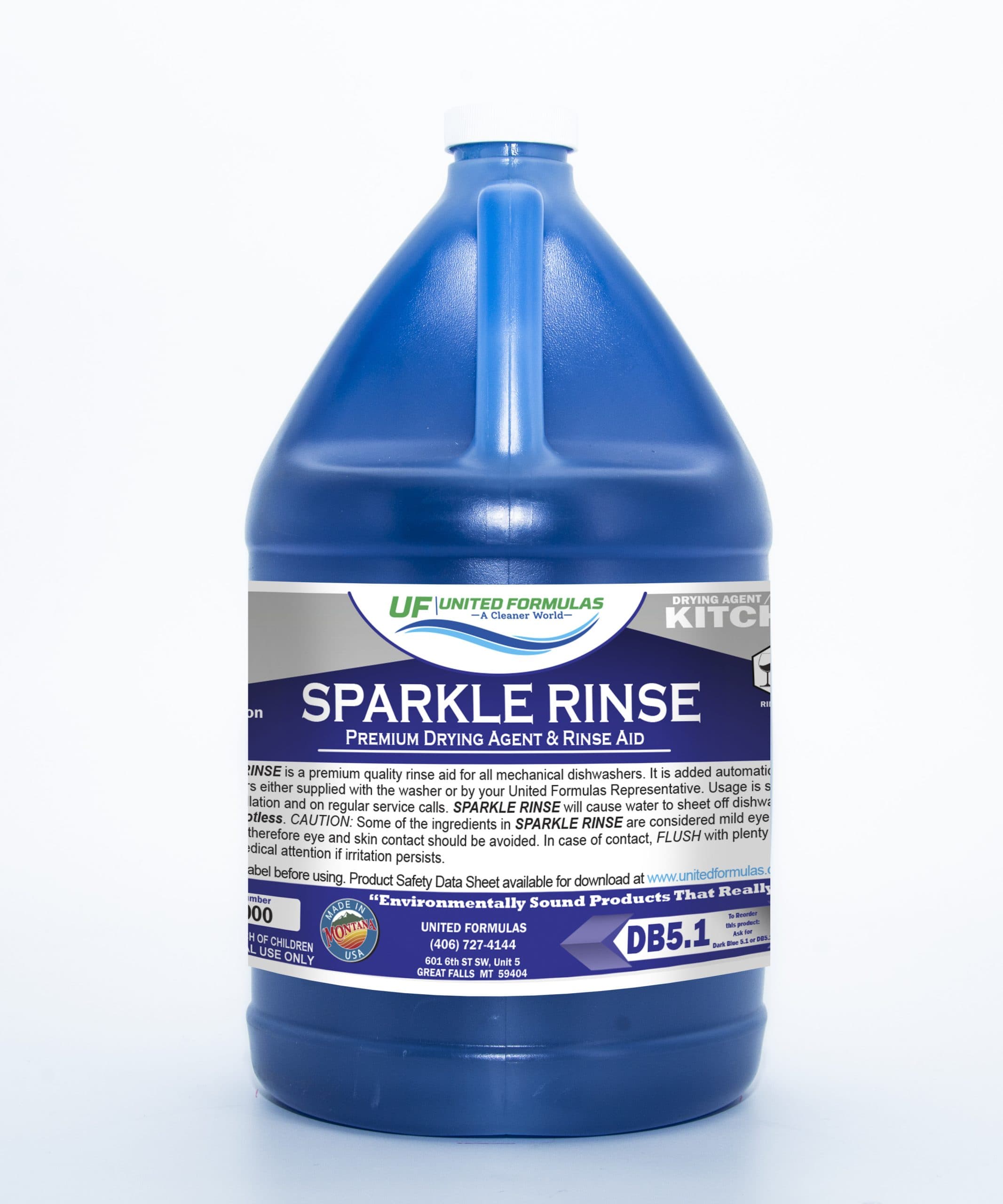
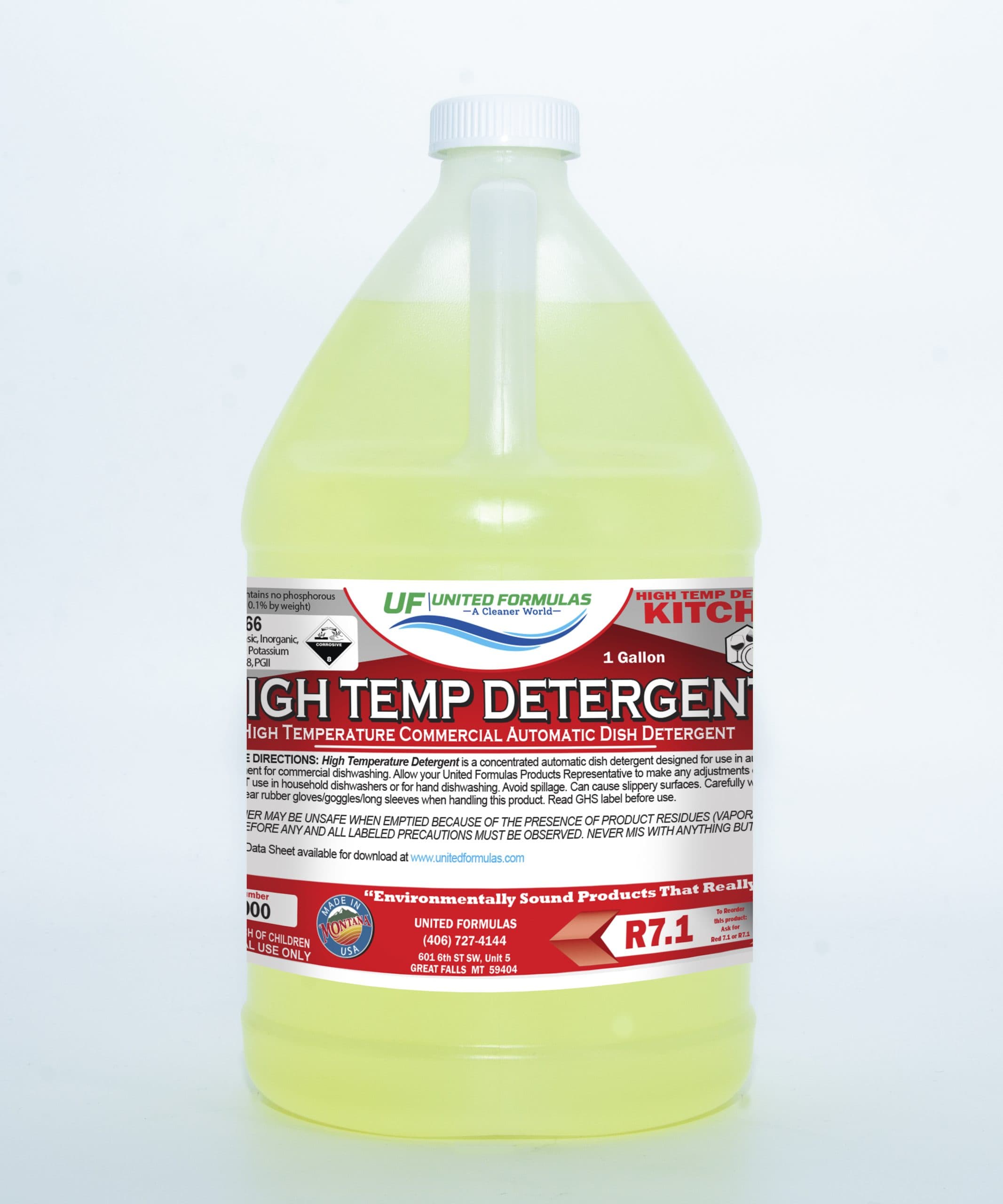
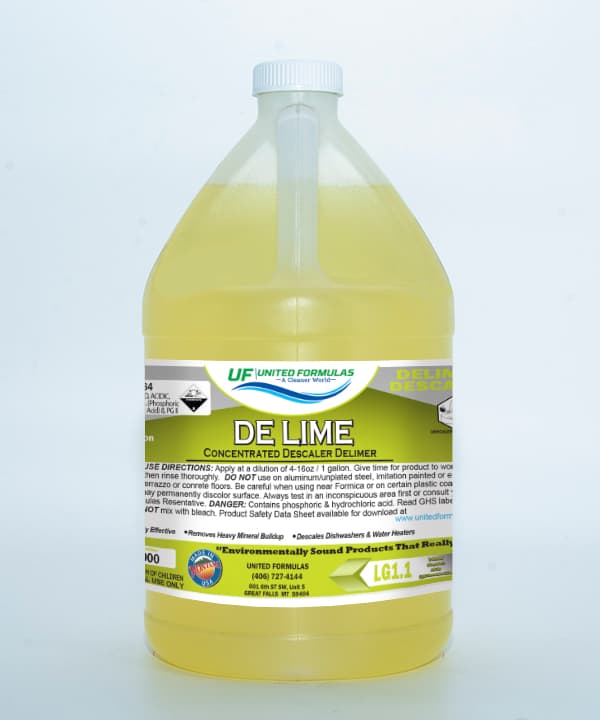
Commercial Kitchen Chemistry Built for Montana Water.
Stop paying expensive shipping fees for plain water. Get ultra-concentrated dish machine detergents, heavy degreasers, and sanitizers blended right here in Great Falls and delivered straight to your back door.
Cut monthly bills by mixing water on-site
Industrial formulas built for Montana water
Dispatched from Great Falls & Billings
3 Kitchen Headaches in Cascade County (And Why Generic Soap Fails)
Cloudy Glassware & Heating Element Burnout (7.4–9.8 GPG Tap)
Why It Happens
Hobart—the commercial dish machine manufacturer—recommends water hardness of 3.5 grains per gallon (gpg) or less for optimal machine performance, and classifies anything above 7 gpg as hard. Great Falls municipal tap water runs 7.4–9.8 gpg (127–167 ppm) from the Missouri River, meaning every commercial dish machine in town operates at 2x to nearly 3x the manufacturer's recommended limit. At 150°F to 180°F wash and rinse temperatures, dissolved calcium carbonate drops out of solution and bakes directly onto heating coils, spray arms, and rinse nozzles. This lime scale blankets heating elements until they burn out, clogs spray arms, consumes detergent surfactants before cleaning starts, and leaves cloudy mineral film on glassware.
The Local Montana Fix
UF commercial warewash formulas contain high-performance chelating sequestrants that lock minerals in suspension through 180°F rinse cycles—preventing scale, protecting heating elements, and delivering spot-free glassware without overdosing detergent.
Failing Surprise Health Inspections on Sanitizer Levels
Why It Happens
Cascade County inspectors test red sanitizer buckets and sink wash bays on every visit. When staff mixes by hand using the 'splash and guess' method, solutions are almost always either too weak (instant critical violation) or too strong (wasting money and leaving sticky residue).
The Local Montana Fix
We mount precision dilution dispensers in your kitchen that blend the exact chemical ratio every time you turn the tap—guaranteeing test strips land in the passing zone.
Grease Clogging Cold Pipes and Floor Drains
Why It Happens
Montana winters turn underground kitchen pipes icy cold. When hot animal fat from fryers and flat-top grills hits cold drain lines, it hardens into thick sludge before it ever reaches the grease trap. Cheap degreasers just push grease downstream until it backs up into the kitchen during a Friday rush.
The Local Montana Fix
Commercial-grade degreasers break grease down into a free-flowing emulsion that flushes all the way through the line without blocking pipes.
Concentrated Formulas Stocked at Our Great Falls Warehouse
Commercial-grade formulas engineered for high-demand facilities and Montana water conditions.
Concentrate vs. Ready-to-Use Cost Calculator
Stop paying high shipping markups for pre-diluted water. Compare your true cost of mixing concentrates on-site against verified third-party retail brand benchmarks.
Select Commercial Cleaning Job Profile:
Backed by current commercial retail benchmarksBreaks down baked-on animal fats and grease traps.
UF default formula price: $42.00/gal. You can adjust this to test other pricing.
Your Cost Per 32oz Spray Bottle
Cost Per Mixed Ready-to-Use Gallon
Retail Benchmark: Dawn Pro Heavy Duty / Zep Commercial Fast 505
Projected Annual Task Savings
~$3,515 / year
Based on ~40 bottles/month vs. store RTU brand pricing
High-Temp vs. Low-Temp: Which Chemistry Fits Your Dish Machine?
Not sure which machine fits your kitchen? Here is how both systems handle Great Falls 7.4–9.8 GPG water, health inspections, and monthly operating costs.
| Machine / System Feature | High-Temp (180°F Rinse) | Low-Temp (Chemical Sanitizer) |
|---|---|---|
| How It Sanitizes Dishes | Hot water rinse at 180°F sanitizes with thermal heat—no chlorine bleach odor. | Sanitizes at lower temperatures (~120°F) using chemical chlorine sanitizer (50–100 ppm target). |
| Water Hardness & Scale Risk (Hobart: ≤3.5 GPG) | Critical Risk: 180°F rinse heat bakes 7.4–9.8 GPG minerals into rock-hard scale on booster elements and rinse arms (Hobart recommends ≤3.5 GPG). | Moderate Risk: Lower heat reduces scale baking on tanks, but 7.4–9.8 GPG minerals still clog spray nozzles and leave water spots. |
| What Happens with Unconditioned Soap | Heater elements burn out prematurely, recovery times slow down, and cloudy glasses require hand-polishing or re-washing. | Grease emulsification slows at 120°F, leaving oily residue on plates and unrinsed detergent film on glassware. |
| The Right Chemical SetupUF Formulations | Chelated machine detergent + high-sheeting commercial rinse aid calibrated to local mineral hardness. | Low-temp liquid detergent with soil suspenders + EPA chlorine sanitizer + flash-drying rinse aid. |
The Local Supply Chain Advantage: Why Buy From 10 Miles Away?
Never Pay Freight on Plain Water
Most commercial cleaners sold by out-of-state distributors are over 90% water. You are paying expensive freight to truck heavy jugs over mountain passes. We manufacture ultra-concentrated formulas right here in Montana. You connect them to your kitchen tap and add the water on-site.
Free Dispenser Setup & Testing
National box companies just drop jugs on your loading dock and leave. Our local technicians visit your kitchen, mount dispensers on your walls, and test the water. Your crew gets the exact mix every time with the push of a button—no measuring, no waste.
Local Warehouses When Storms Hit
When winter blizzards shut down I-15 or mountain passes, out-of-state freight trucks get delayed for days. We keep full inventory in Great Falls and Billings, running our own delivery routes so you never run out of dish soap or sanitizer during a busy shift.
Questions from Great Falls Kitchen Managers
Straightforward answers to the most common questions from Montana facility and business operators.
Why do our glasses come out cloudy and dish machine heating elements burn out so fast?
What sanitizer strength do Cascade County health inspectors check for?
How does your on-site water test work, and why does it decide my true chemical cost?
How does switching to concentrates cut my restaurant's monthly chemical bill?
Do you supply and install the wall dispensers?
Official Sources & Standards
- United Formulas Field Technical Guide: Your Dish Machine Was Built for Softer Water Than Great Falls Has (Step-by-Step Diagnostic Protocol & Chemical Dosing).
- Hobart Commercial Dishwasher Installation & Water Quality Specifications (Recommending ≤3.5 GPG; >7 GPG classified as hard water).
- City of Great Falls Annual Drinking Water Quality Report (Missouri River Water Treatment Plant: Seasonal Hardness 127–167 mg/L / 7.4–9.8 GPG, Average ~160 mg/L / 9.4 GPG).
- Cascade County City-County Health Department (CCHD) Food Safety & Environmental Health Division.
- Montana Department of Public Health and Human Services (DPHHS) Food Safety Regulations (ARM 37.110.2).
- U.S. Environmental Protection Agency (EPA) Standards for Food Contact Surface Sanitizers & Quat Hard Water Tolerance (40 CFR § 180.940).
- Montana Uniform Plumbing Code: Commercial Grease Interceptors & Drainage Maintenance (ARM 24.301).
Cut Your Kitchen Chemical Costs and Never Fail an Inspection.
Call our local Great Falls team or request a free on-site kitchen audit. We'll test your water hardness in 2 minutes, check your dish machine against Hobart specs, and calibrate your dispensers for exact working-gallon savings.